Showing posts with label SITN. Show all posts

Monday, May 14, 2012

Joining the disease detective club


In March’s Science in the News, Tiffany, Lindsey and Jon used a hypothetical example of some sick students at a school to discuss what outbreaks are, what can cause outbreaks and how we can protect ourselves. In real life, disease detectives – more formally known as epidemiologists – do many things to help detect, track and prevent disease outbreaks. Some work directly with patients or communities, collecting samples for analysis and helping administer health policies (such as vaccination campaigns). Others are based at organizations such as the Centers for Disease Control and Prevention (CDC) or pharmaceutical companies. They may work as administrators or work in labs.


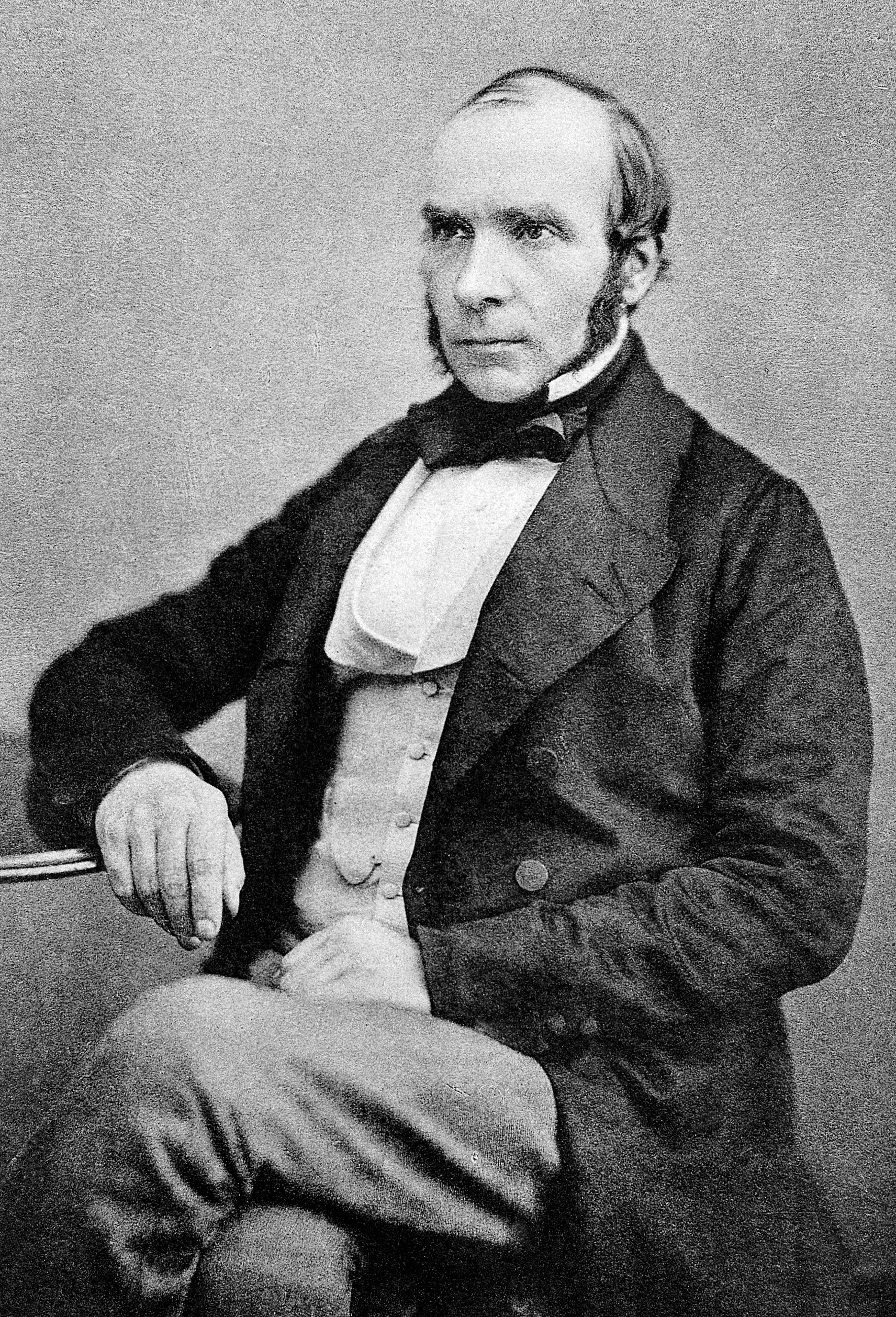
John Snow, the "father of epidemiology" (not to be confused with Jon Snow from Game of Thrones!).
Sources: http://en.wikipedia.org/wiki/File:John_Snow.jpg
 http://sharetv.org/shows/game_of_thrones/cast/jon_snow

When did epidemiology get started? The “father of epidemiology” is often considered to be Dr. John Snow, who determined the cause of a cholera epidemic in London in 1854. Cholera is caused by the bacteria Vibrio cholera, which infects the small intestine, leading to watery diarrhea and vomiting. Without proper treatment, it is often fatal. Historically, cholera epidemics have been both frequent and devastating due to poor sanitation and they continue to occur in less developed parts of the world (in the wake of the 2010 earthquake, Haiti experienced a cholera outbreak that resulted in over four thousand deaths). During the 1854 cholera epidemic, Snow interviewed people to determine where cholera cases had occurred and found that many of them clustered around one water pump. He was further able to demonstrate that areas in the city that exclusively relied on this pump had the most cholera cases. His breakthrough was particularly impressive given that disease transmission was still poorly understood – most people, including most scientists, believed that people got sick through breathing “bad air.” Nobody knew that bacteria could cause diseases. Snow, perhaps unintentionally, set a precedent for evaluating future outbreaks although his belief that disease was not caused by the air was dismissed in the immediate aftermath of the 1854 epidemic.

This map shows how the cholera cases were clustered in the 1854 epidemic.
Source: http://en.wikipedia.org/wiki/File:Snow-cholera-map.jpg

If you’re interested in learning more about the history of epidemics, you might be interested in the following course “Epidemics in Western Society since 1600” (offered here, free, for either video or podcast downloading).

Given the broad range of activities epidemiologists carry out, how does one become an epidemiologist? Epidemiologists are often, but not always, doctors. Non-physicians generally have graduate degrees in epidemiology or public health. Yale has one of the oldest schools of public health in the country (founded in 1915). To find out more about epidemiology and public health research at Yale, check out the School of Public Health’s website.

Changing topics a little, I wanted to expand a bit on two types of tests that Jon mentioned can be used to detect norovirus and rotavirus. Viruses contain DNA or RNA cores protected by a protein shell. Viruses are super tiny and therefore epidemiologists need to use indirect methods to detect their presence. One test is polymerase chain reaction (commonly abbreviated as PCR). In this test, short pieces of DNA (called primers) are used to amplify a known viral gene. If viral DNA is present, the primers will stick to the gene of interest. By using a special enzyme, this gene can then be copied. This stick and copy reaction will be repeated many times. In each repeat there will be exponentially more copies of the gene available for amplification. In this way, you can generate a sufficient amount of DNA to detect and measure.


Source: Saheli Sadanand

Another test that can be used to indirectly assess the presence of virus particles is an ELISA, which stands for Enzyme-Linked Immunosorbent Assay. Although the name makes it sound complicated, it’s actually quite straightforward. In this assay, you are trying to detect antibodies, proteins that our immune system makes to bind to and get rid of pathogens such as viruses and bacteria. To do this, you basically construct a sandwich. In the norovirus and rotavirus example, the bottom layer of the sandwich are virus particles. You then load your sample of interest (for example, blood from the sick patients). Then you add a detecting reagent, which is another antibody – but specific for the non-virus-specific portion of the antibodies. Finally, you add a special chemical that reacts with the detecting reagent to produce a color. The brighter the color, the more virus-specific antibodies that are present in the sample. With the appropriate controls (for example, a sample that comes from a healthy person), epidemiologists can determine whether the amount of virus-specific antibody is abnormal – which would imply that the patient is in fact sick with the virus.

-Saheli Sadanand
5th year Immunobiology graduate student

Wednesday, February 15, 2012

Bringing Science out of Yale and into New Haven

When I'm not phasing genotype data, part of my life outside the lab involves organizing talks with the Yale Science Diplomats. Last year we started a Science in the News Series in order to explain some of the science behind controversial headlines, like this one. Science Diplomats are a fantastic group of grad students who, come hell or high water, are really committed to sharing a love and understanding of science with the public. Last year I participated in a talk with my friends Yixiao and Eric on Personalized Medicine focusing on genomes and disease, pharmacogenetics, and stem cells, respectively. People of all ages came out to the Leitner Observatory to learn about what a genome is, what it tells us (and doesn't tell us) and how we can use (and are using) that information to predict, diagnose, and treat disease.

One of the best things that came out of that event was having educators from local public schools in the audience ask us if we'd be willing to bring the talks into the classroom. Keerthi (who keeps a nifty blog of her own you can read here), our outreach coordinator, organized everything for us. After lots of back and forth between a number of schools and finding a time for our talk that fit into New Haven's rigidly packed curriculum, we were able to visit a local high school and talk about awesome science.

This particular high school is something of a rarity. Called the High School in the Community, "HSC" was started by teachers who were frustrated with the state of public education and decided to take teaching into the streets. They were so effective at engaging students that eventually administrators woke up and offered them some physical space (an old factory on Water Street) that has been repurposed into classrooms. Some of these rooms may have poor lighting and no running water, but that doesn't take away from the amazing job the teachers are doing to turn that space into a full-fledged science explosion. I was blown away by the job biology teacher Stephen Zepecki has done to make sure his classroom is teeming with life--only fitting for a biology class. The walls are lined by giant aquarium after aquarium (maintained by the students) filled with all sorts of marine and reptilian life, and there are some veritable flora and fauna in the center of that classroom (it helps that there's a sky light).

The most biological biology classroom.
There is really something to be said about a person who teaches introductory high school biology and is obviously liked by his students. Seeing the rapport this class had with their teacher made it a little intimidating to get up there and give an engaging talk on molecular biology! Yet even from the sidelines, Mr. Zepecki kept the class tuned in. For a school where 40% of the student body has special learning needs ranging from dyslexia to ADHD, you wouldn't know it from the Herculean attention these kids maintained. They're also probably the most respectful audience of high school students I've ever witnessed. It's a testament to both their teacher and their own desire to learn. We're really grateful he let us into his classroom today.
Steve Zepecki, his class, and Eric.
I won't go into the details of the talks because they're viewable on the Science in the News YouTube Channel, but I will say it was a learning experience for us presenters as well as the audience. Sometimes as scientists we fall into the perilous trap of adopting jargon and forgetting how to distill information into its most fundamental and interpretable pieces, and important messages get lost that way. Having graduate student-researchers talk science with high schoolers helps both parties; the high schoolers are exposed to something new, and researchers learn to deliver information in a way that actually conveys what they are trying to say.

A few things to remember for our next classroom visit are that even though most people have heard of DNA, cancer, and stem cells, those concepts haven't necessarily been defined to this age group. Students aren't particularly forthcoming about the limits of their current knowledge, so it's our job to ask them where they are and if they're following us. Also, repetition is key. In retrospect, "single nucleotide polymorphism" is something that I should try to say five-times-fast before moving on to what it's used for. The other thing I'm taking away from this visit is that the Socratic method is really invaluable. There is nothing like having someone arrive at an answer to their own question when they're given the opportunity to think through it critically. Yixiao in particular was very good at this today. The class really woke up when they figured out they'd be accountable for answering their own questions and testing the assumptions on which their answers rested.

Yixiao being awesome.
I'm really impressed with this class. In 90 minutes, we covered the human genome, single nucleotide polymorphisms, single gene disorders, polygenic disorders, risk prediction, direct-to-consumer genetic testing, the Genetic Information Non-Discrimination Act, pharmacogenetics, biopsies, receptors, drug targets, survival curves, cell culture, genetic reprogramming, embryonic stem cells, adult stem cells, and induced pluripotent stem cells. And they took notes. I'm not advocating a crash course like this be the norm, but if all we have is 90 minutes, make each minute count. We shouldn't be so scared to talk science with our kids. They can handle it. They had some pretty insightful comments, too.

My favorite part of science isn't the benchwork or the analysis. It's sharing ideas with other people. It's making others aware of something that only seconds before was inconceivable to them. When you make someone's jaw drop, you know you've done something worthwhile.

-Monica Bowen
3rd year Genetics PhD candidate


This post is a re-post from Monica's own blog, Adventures in Genotyping. Check it out!

Tuesday, February 7, 2012

You're how old?! Piecing together prehistoric ages

SITN presenters: Matt Davis, Tim Webster, and Daniel Field.
During last week's Science in the News, Matt, Dan, and Tim described to us some of Earth's prehistoric inhabitants, and gave us a window into the history of the world before Homo sapiens.  We learned that Torosaurus appeared 70 million years ago, and that the first members of our genus, Homo, walked the earth 2.4 million years ago. Then someone asked a fantastic question: How did we figure out all of these dates? 

Academy of Natural Sciences, Philadelphia - IMG 7436
Source: Wikimedia

Using this Torosaurus skull, let’s figure out how exactly we determine the age of fossils.


Thursday, January 12, 2012

Science in the News: Location Scouting

An important part of the planning for Science in the News 2012 is finding a great location. Last year we had the privilege of hosting the series of talks at the Leitner Family Observatory and Planetarium. We were very happy to start our series there and get the support of the students and employees of the Observatory, however the location is a bit hard to find (for good reason, of course; you want to be at the top of a hill to see stars).

This year we decided to explore other location options. We had heard that the New Haven Free Public Library (NHFPL) Ives Memorial Library (main) branch had just renovated their Program Room, so we decided to check them out.

The NHFPL building was built between 1908-1911 and is really gorgeous. It was designed in a Colonial Revival style made of brick and marble. Large white columns greet you as you walk up the steps on the outside that lead into a lovely entrance of the spacious three story library.1,2


Source: http://newhavenlibrarypatrons.com

NHFPL really is a city landmark, situated right across the New Haven Green on Elm St. and Temple St.  Aside from being beautiful and centrally located in downtown New Haven, it is right across the street from a Yale parking lot that has free parking on weekdays after 4pm.


We were really excited about connecting with the NHFPL, since it already is a great resource for our community. However, we didn’t want to miss out on seeing the space it in person first. On a cold December evening, six of us took a field trip downtown and met up with Kathie Hurley, the library’s Public Information Officer, who gave us a tour of their facilities.  I took some quick pictures with my phone, so I apologize if they’re a little bit blurry.


The entrance to the room we would be using is very clearly marked. :)

As you can see below, the room is very large. It can definitely fit our audience comfortably. The chairs weren’t set up on the day of the tour, but you can see a stack of them on the right. (We visited on the day of their holiday party, so some festive decorations were up to greet us).


Not shown is a white screen that comes down in front of the back window. You can see a standard podium that will be perfect to hide our laptops well—although I hope our speakers won’t do the same! There is also a lot of adjustable lighting on the ceiling. They really did a beautiful job with the renovation (although I had seen this room before).


This next photo is not just a great candid shot of Madam President, Elizabeth, but shows a neatly hidden cupboard (on the right) where all the fancy projector electronics are hidden. There’s also a glass window to the kitchen.


I must admit I am quite excited that the kitchen area is so close to the action. So you can take a sneak peak at where we will be preparing all the yummy snacks and drinks for our audience.


If you can’t tell, Kathie was very excited to meet us. She’s a local and loves when Yale students interact with the community. We are obviously very excited to do this, and love the support from her!

Overall, I have to say I’m very happy with the space and more importantly, the support that we got from Kathie about having the Science in the News series at the library. I think this will be a great partnership, that will hopefully last many years!

New Haven Free Public Library
133 Elm St.
There is a convenient side entrance that leads more directly into the Program Room on Temple Street. We will try to have signs directing our audience there.

Science in the News will have six talks this semester, on the last Tuesday of every month from January through June, at 6pm.

-Griselda Zuccarino-Catania
6th year Immunobiology PhD candidate
Science in the News Co-Director

Monday, January 9, 2012

STEM or HELP? Which Would You Have Chosen as a Sophomore?


In early December, Yale Student Science Diplomat's Outreach Coordinator, Keerthi Shetty, escorted fellow grad students Liz Turner, Patrick McMillen, and me to James Hillhouse High School in New Haven. We were preparing to give a Science in the News talk on GMOs to about 30 sophomore students. Before any students had arrived in the classroom, anatomy teacher Ms. Mara Dunleavy informed us that these sophomores are poised on the brink of having to choose between STEM (science, technology, engineering, and math) and HELP (humanities, education, law, and public service). She winked at us, encouraging us to push them towards STEM.


Keerthi, Patrick, Liz and I exchanged concerned glances. We were all thinking the same thing: as 15 or 16-year-old high school students, would we have chosen STEM? Back in my sophomore year, English, History, and German were clearly my better subjects, edging out Chemistry and Algebra not only in test scores, but in preference. I mean, who'd want to calculate molarities when you could instead read a novel The fact that these kids have to choose, and choose so early, is not unique to Hillhouse High, or even uncommon. Many high schools around the world use this technique to better prepare students for college and to put them in classes that they'd prefer, ostensibly to keep them interested in what they're learning. But what if their interests change? What if I had chosen HELP back then in high school but then changed my mind later? Would I have stayed away from science altogether, believing it to be not for me, that I was too far behind to catch up?


These thoughts were buzzing in our minds when, seemingly all of the sudden, the classroom filled up with rambunctious students sizing us up, sizing up Science, not as a method but as a life choice.

Our talks went really well (Liz being completely ill and in no shape to give a talk notwithstanding). And the students asked really great questions. We got a few old GMO standards like, "If you put a gene in a plant to make it grow bigger, why won't it make us grow bigger when we eat it?" (the answer being that plant growth hormones are very different from animal ones, and people don't even actually use plant hormone genes in making GMOs anyway). But we also got questions that we hadn't heard before, ones we were talking about in the car on the way back to Yale, like, "What happens if a bee flies into a soy or wheat flower and then flies over to a weed?"


Soy and wheat are usually self-fertilizing plants, and their small flowers aren't very attractive to bees. This is fortunate if you don't want your introduced gene to move into nearby weeds, the plants related to soy or wheat at the edges of your fields. Most of the time, this doesn't happen: the gene stays in the crop because the pollen doesn't even move outside of its own flower. But as we pointed out in our presentation, self-fertilization of crops doesn't ever 100% prevent gene flow. Sure, the gene a human puts into a plant is no more likely to get into a weed than any other gene, but that doesn't mean it's impossible. A bee could absolutely stop at a soy or wheat flower by mistake and then land on a weed flower and fertilize it with the GM pollen. Is it likely that a bee would do that? No. Is it likely that the crop and the compatible weed would be flowering at the same time? Probably not. Is it even likely that the weed's seed with the new gene would survive? Well maybe. But the point is that it's possible.  This student had come up with a perfectly reasonable explanation for GM gene flow. Kudos to her scientific thinking! But will she choose STEM? And if she doesn't, does that rule out a career in science for her for ever?


-Elizabeth Winograd-Cort
6th year MCDB PhD candidate
President of Yale Student Science Diplomats

Friday, December 16, 2011

SITN at Hillhouse High School

As you all know from reading the previous post, one of YSD’s major projects is Science in the News (SITN), which aims to educate the general public (mainly adults) about hot science topics. We decided to reach out to high school kids as well. Last May we talked to a few high schools in the area about bringing our Spring 2011 SITN talks (see below for postcard) to the classroom in Fall 2011/Spring 2012. The Science, Technology, Engineering, and Mathematics (STEM) director as well as other STEM teachers at James Hillhouse High School were very receptive to the idea and by September we had scheduled all the talks for the school year.  The talks would consist not only about academic topics, but also a Q&A about life as a scientist, how to get into grad school, and life as a Ph.D. student in an effort to motivate these kids to consider majoring in the sciences in college.


The first lecture, titled “Vaccines: How getting shot may save your life,” took place on Wednesday, October 27.  As the Education Outreach coordinator for YSD, I introduced the speakers and provided background about YSD’s overall outreach mission and the purpose of the SITN talks. Rakina, Heather, and Will, all graduate students and postdoctoral fellows from the Department of Immunobiology, gave a fantastic presentation about vaccines, including their history and biology (the discovery of the smallpox vaccine and how the immune system works), their presence in the news (HPV vaccine, the controversy over the false link between vaccines and autism), and their future (novel techniques of developing and delivering them).

Rakina provides an introduction to the history and biology of vaccines.

Heather discusses the vaccines in the news and the controversies surrounding them.

Will describes the mucosal immune system and the future of vaccines.
The audience consisted of 30 juniors and seniors in the STEM program. There are over 250 kids in the STEM program, so the teachers had asked the students to sign up beforehand in order to keep the seminar cozy and foster discussion. I was intrigued to see that there was only one boy who attended the lecture! Admittedly, I wasn’t too surprised, knowing that there were more females than males in the Biology program at my undergraduate institution as well as in my Ph.D. program. Is this the current trend?
Will goes to the chalkboard to clarify a point.
The kids asked many great questions about vaccines (“Why can’t you just take the serum from a healthy person and inject it into the patient”) as well as about graduate school (“What do you do as a scientist?” and “How’s the job outlook like after you graduate?” [yikes!]). We discussed that while many go into academia, there are several opportunities in industry, science writing, science policy, patent law, consulting, etc.  Based on the lecture, three students are working on a brief article that will be submitted to the school newspaper and the city-wide STEM newsletter.

The students asked great questions!
Overall, both the lecturers and students had a great time and learned a lot from this interaction. I’m so excited YSD is fostering science education at the local high schools! Over the summer, we worked with the Pathways program through the Office of New Haven and State Affairs and Hill Regional Career High School to bring the SITN lectures to high school students attending a 3 week science program at Yale.

Stay tuned for Elizabeth’s post about the recent second lecture at Hillhouse!

-Keerthi Shetty
3rd year Immunbiology Ph.D. Candidate
YSD Education Outreach Coordinator

Sunday, December 11, 2011

2012 Science in the News Auditions


We kicked off our Spring 2012 series of Science in the News (SITN) a couple of weeks ago with auditions.

About SITN
SITN began at Harvard, with the goal of bringing science to the public in a manner that is interesting and easily understood. We founded our own version last year, and had a successful series of talks in the Spring of 2011. Each talk has three 15-20 minute segments that tie into an overall, cohesive theme that the public will find relevant and appealing. For example, one night was "Getting Shot May Save Your Life: How Vaccines Work." Our focus is on getting grad students and post docs to speak to the public about a hot topic they feel comfortable with in an engaging and accessible manner.

Auditions – What we were looking for
Three rounds of auditions were held this year in the last weeks of November. We asked all interested participants to prepare a 5 minute talk with sample slides, assuming a high school level of education for the target audience. 

We looked for:
  • Clear, concise content. (No jargon, please.)
  • Interesting and eye-catching slides
  • Dynamic and engaging presentation style
  • Ability to keep to the 5 minute time limit

Our speakers and topics for 2012!
We had an amazing turnout of individuals passionate and excited about bringing science to the public. Post auditions, we decided on our speakers after much deliberation and heated discussion. It was truly tough to choose amongst all those who spoke. Our final decisions were based largely on topics we thought would be the most interesting rather than capabilities of the speaker, since they were all wonderful. We hope to see all those who will not be speaking this spring at next year’s auditions.

The speakers we finally chose are a fantastic bunch of engaging individuals, who managed to bring their topic to life within the short five minutes we gave them to impress us.

Our speakers will be talking about six broad topics: Neuroscience, Evolution, Climate Change, Artificial Intelligence, Outbreaks, and Dinosaurs.

SITN 2012 – When, Where, What time?
Talks will be held at 6pm on the last Tuesday of every month starting in January at the New Haven Public Library, which has kindly agreed to host us. Specific dates to keep in mind: January 31st, February 28th, March 27th, April 24th, May 29th, and June 26th.

It is truly heartwarming to see so many people enthusiastic about communicating what they love to do to the public. SITN 2012 is going to be a wonderful experience. We hope to see you there!

-Sneha Ramesh Mani,
3rd Year PhD Candidate, Cell Biology
Co-Chair, Science in the News Committee